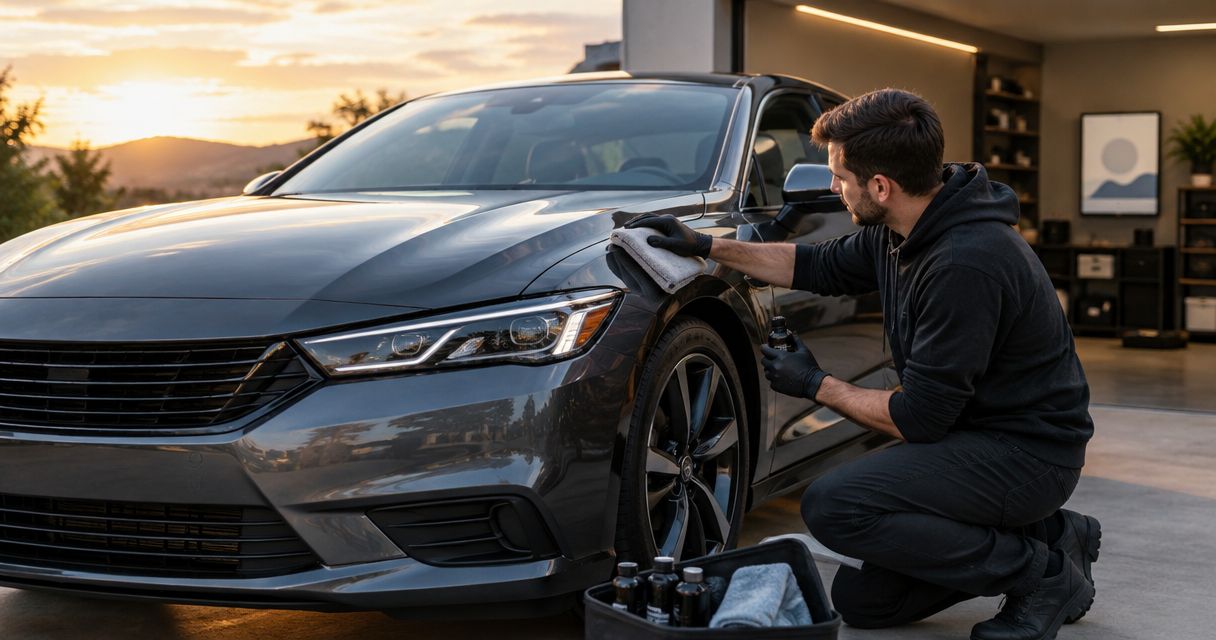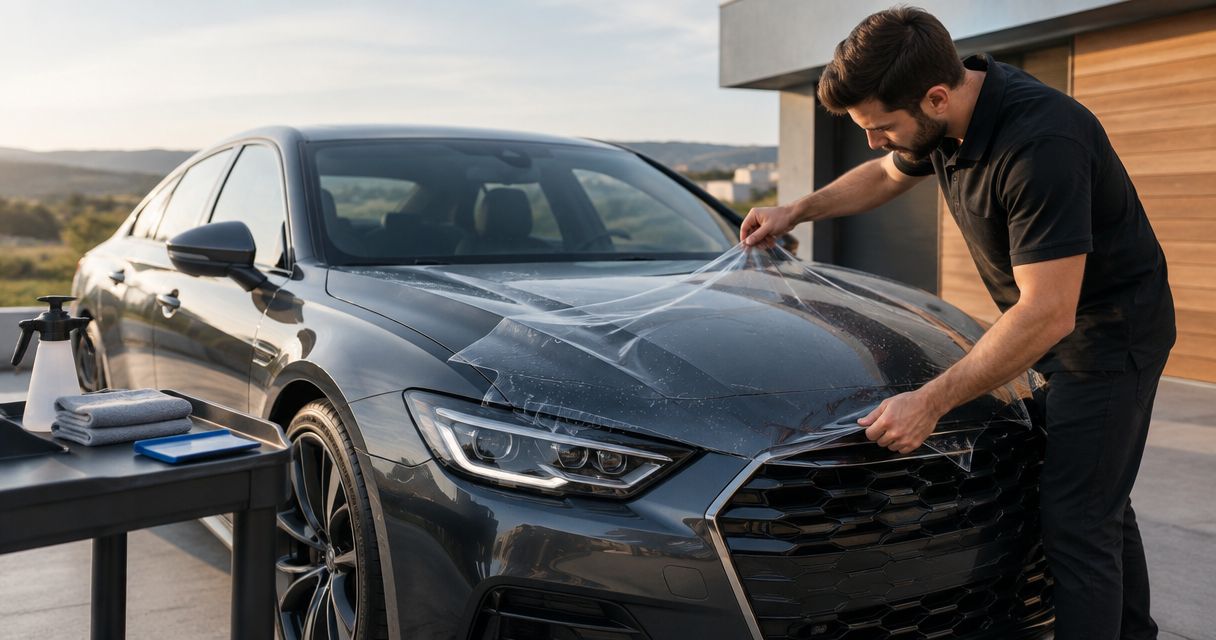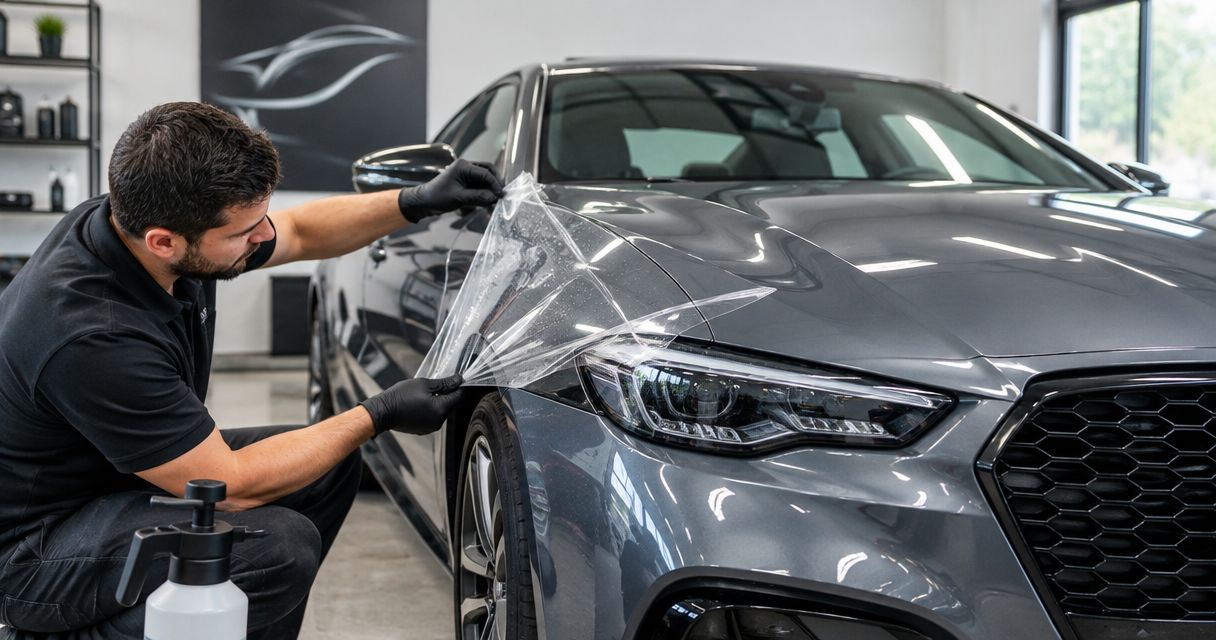
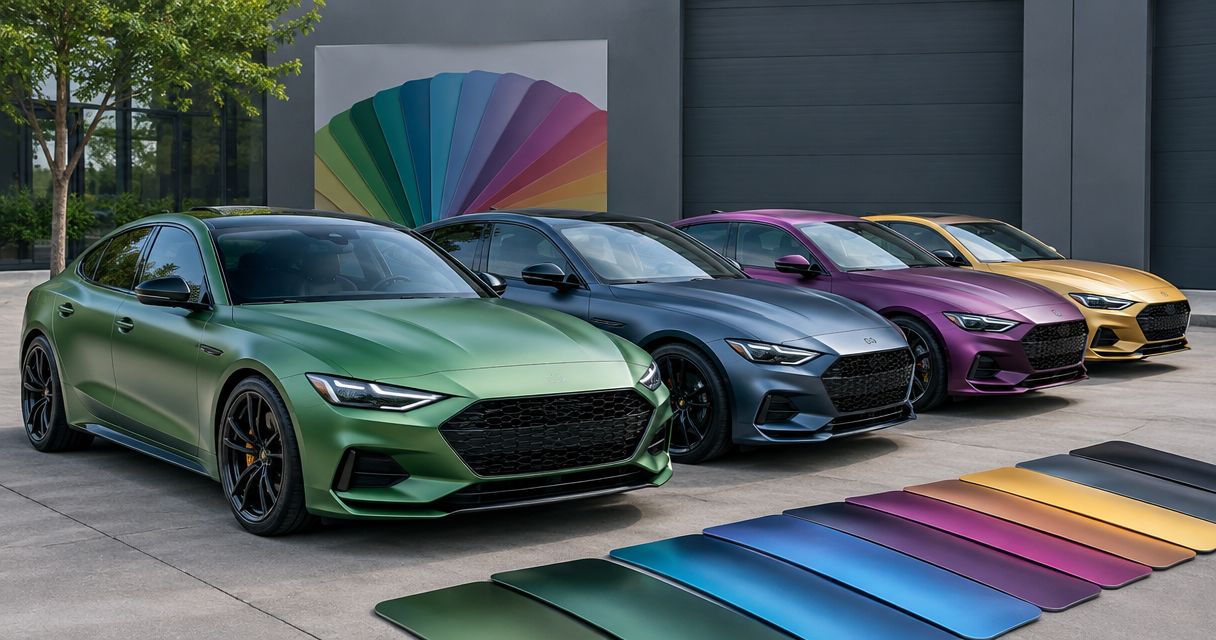
Best overall: gloss deep blue. Best for a stealth look: satin charcoal. Best for a restrained color change: gloss silver. The best vinyl wrap colors for your car in 2026 depend on its body lines, trim, and the finish you want; Supremeautonj provides vinyl wrap services for vehicle owners in North Haledon and North Jersey.
- Gloss deep blue leads this best vinyl wrap colors guide for a distinctive daily-driver look.
- Satin charcoal suits stealth styling; gloss silver suits a restrained car color change.
- Choose the vinyl wrap color and finish together, then inspect physical samples in daylight.
- Supremeautonj provides vinyl wrap services in North Haledon and North Jersey.
Why this matters
A wrap changes more than the color you see from across the parking lot. Gloss, satin, and matte finishes change how light describes the hood, fenders, and doors. The same blue can look polished in gloss and deliberately muted in satin.
Choose the finish before you approve the color. A photograph cannot show every reflection or how a sample looks beside your wheels and window trim. For a 2026 color change, start with the car you own rather than a reference image of a different vehicle.
What makes the best vinyl wrap colors?
These picks serve different visual goals rather than claiming one shade belongs on every car. Use these criteria before choosing a favorite:
- Body-line definition: Look for a finish that shows the contours you like rather than visually flattening them.
- Trim compatibility: Judge the color beside your actual wheels, grille, mirrors, and window surrounds.
- Lighting behavior: Compare the sample in direct daylight and shade. Metallic and color-shifting finishes need particular attention.
- Visual restraint: Decide whether you want the car itself or its color to attract attention first.
- Cleaning expectations: Choose a finish whose care instructions fit how you maintain your vehicle.
- Whole-car consistency: Consider exposed paint at openings and the transition between wrapped and unwrapped areas.
A color earns its place here by filling a distinct use case. Gloss deep blue is the default because it offers visible color without depending on an unusual effect; the other picks serve more specific preferences.
Best vinyl wrap colors at a glance
| Rank | Color and finish | Best for | Standout characteristic | Key limitation |
|---|---|---|---|---|
| 1 | Gloss deep blue | A distinctive daily-driver look | Strong color with a reflective finish | Dark surfaces make some marks conspicuous |
| 2 | Satin charcoal | Stealth styling | Muted reflections and a dark neutral tone | Needs satin-compatible care |
| 3 | Gloss silver | A restrained color change | Light metallic appearance | Less dramatic than saturated colors |
| 4 | Gloss pearl white | A bright, clean visual theme | Pale color with a pearl effect | Dirt and exposed dark paint interrupt the look |
| 5 | Gloss forest green | An individual, classic-looking theme | Rich green without a fluorescent effect | Requires careful pairing with existing trim |
| 6 | Gloss red | A bold, sport-focused appearance | Immediate visual emphasis | Not suitable for an understated result |
| 7 | Blue-purple color shift | An angle-dependent visual effect | Changes appearance with viewing conditions | A single photograph cannot represent the result |
These are color families, not named film products. Exact shades, surface effects, and care requirements depend on the film you select. Request a physical sample of the actual material before approving your 2026 wrap.
1. Gloss deep blue: best for a distinctive daily driver
Gloss deep blue gives you a clear departure from a neutral paint color without making an unusual finish the entire point of the car. Its reflective surface emphasizes curves and creates contrast between illuminated panels and shaded areas.
Best for: Drivers who want noticeable color while retaining a familiar painted-car appearance. Supremeautonj vinyl wrap services are an option for North Jersey owners planning this kind of color change.
The exact blue matters. An inky navy creates a quieter result than a brighter cobalt, even though both belong to the same broad color family. Compare the sample beside your trim rather than judging blue in isolation.
Gloss deep blue pros:
- Gives a daily driver a distinct color identity.
- Keeps the reflective appearance associated with gloss paint.
- Offers a middle ground between neutral and attention-first styling.
Gloss deep blue cons:
- Some surface marks stand out against a dark, reflective finish.
- Very dark samples lose their blue identity in shaded conditions.
Verdict: Buy into gloss deep blue if you want a balanced color change. Choose a shade that still reads as blue in the lighting where you usually see your car.
2. Satin charcoal: best for stealth styling
Satin charcoal combines a dark gray tone with subdued reflections. It is the pick for a deliberate, low-glare appearance rather than a glossy imitation of factory paint.
Best for: Drivers who want dark styling without choosing a fully matte finish. Inspect it beside black wheels and trim; a dark-on-dark combination needs enough tonal separation to preserve the details you like.
Satin is a finish choice, not a maintenance shortcut. Follow the selected film's care instructions and avoid treating it like a surface you can polish to restore shine. Uneven gloss would work against the look you chose.
Satin charcoal pros:
- Creates a muted, deliberate visual theme.
- Separates the result from conventional gloss paint.
- Keeps the color neutral while changing its surface character.
Satin charcoal cons:
- Requires care products and methods suitable for satin film.
- Dark trim can blend into the body instead of standing out.
Verdict: Buy into satin charcoal for stealth styling; skip it if you want bright reflections. In 2026, choose it because you prefer its appearance, not because you expect it to eliminate upkeep.
3. Gloss silver: best for a restrained color change
Gloss silver is the recommendation for a clean visual reset without a saturated color. A metallic-looking silver reflects light differently across curved panels, giving the body shape more attention than the hue itself.
Best for: Drivers who want the wrap to look restrained rather than theatrical. It also gives you a neutral starting point when wheels and trim already carry strong visual detail.
Compare silver samples carefully. A fine metallic appearance and a coarse sparkle create different results, particularly in sunlight. Neither is automatically better; choose the texture that suits the overall look you want.
Gloss silver pros:
- Keeps the color theme neutral.
- Uses reflected light to describe body contours.
- Leaves room for wheels and trim to remain visual features.
Gloss silver cons:
- Delivers less visual drama than red or color-shift film.
- Metallic texture is difficult to judge from a small screen image.
Verdict: Buy into gloss silver if restraint is the goal. Skip it if your main reason for wrapping is to make the car visibly different from common neutral finishes.
4. Gloss pearl white: best for a bright visual theme
Gloss pearl white combines a pale base with an additional surface effect. It is the pick for a bright-looking body with more visual texture than a plain solid white.
Best for: Drivers building a light-body, contrasting-trim appearance. Check the pearl effect on a curved sample where possible, because a flat swatch does not show how reflections move across a fender.
Pay attention to openings and edges. If the original paint is dark, visible unwrapped areas can interrupt the white theme when doors or other panels are open. Discuss the intended scope rather than assuming every visible surface is included.
Gloss pearl white pros:
- Creates a bright body-color theme.
- Adds an effect beyond a plain solid finish.
- Makes dark trim a deliberate contrasting element.
Gloss pearl white cons:
- Dirt stands out against the pale surface.
- Exposed dark original paint creates an obvious contrast.
Verdict: Buy into gloss pearl white for brightness and contrast. Confirm where the wrap ends before approving the appearance you expect.
5. Gloss forest green: best for an individual classic look
Gloss forest green adds a rich color without relying on fluorescent brightness or an angle-changing effect. It suits a deliberate styling theme where the shade itself is the main decision.
Best for: Drivers who want something individual but visually composed. Compare the green with your existing wheel finish, especially if the wheels introduce another strong color.
Forest green covers a broad range of shades. A near-black green and a brighter botanical green do not create the same result. Choose the actual sample, not just the color name on your shortlist.
Gloss forest green pros:
- Provides a distinct alternative to neutral colors.
- Keeps a conventional glossy surface.
- Supports a coordinated, color-led styling theme.
Gloss forest green cons:
- Existing colored accents can compete with the green.
- Darker shades become less visibly green in shade.
Verdict: Buy into gloss forest green for a coordinated, individual look. Hold the decision until you have seen the sample beside the car's actual trim.
6. Gloss red: best for a bold sport-focused appearance
Gloss red makes color the first thing you notice. It is the straightforward choice when you want a bright, assertive result without adding a specialty surface effect.
Best for: Drivers who deliberately want attention-first styling. Decide whether you prefer a deeper red or a brighter red before comparing finishes; that difference shapes the result more than a generic red label suggests.
Keep the rest of the color scheme intentional. Red paint-effect film, colored wheels, contrasting mirrors, and multiple accent colors can pull attention in different directions. A simple supporting palette lets the body color lead.
Gloss red pros:
- Creates an immediately noticeable color change.
- Gives the body a clear visual focal point.
- Does not need a color-shifting effect to make a statement.
Gloss red cons:
- Conflicts with a low-profile styling goal.
- Competing accent colors can make the result feel disconnected.
Verdict: Buy into gloss red if boldness is the brief. Skip it if you want your 2026 wrap to attract less attention rather than more.
7. Blue-purple color shift: best for an angle-dependent effect
Blue-purple color-shift film changes its apparent color as lighting and viewing angles change. The effect, rather than a single stable shade, is the reason to choose it.
Best for: Drivers who want the finish itself to become a talking point. Look at the sample from different positions instead of approving it from one flattering photograph.
Color shift is the least suitable pick here for someone who wants a predictable blue or purple at all times. Curved bodywork and changing light are part of its appearance, not flaws to correct.
Blue-purple color-shift pros:
- Adds visual variation as you move around the car.
- Makes the finish a central styling feature.
- Combines a color change with an optical effect.
Blue-purple color-shift cons:
- Does not maintain one consistent apparent shade.
- Screen images leave out important viewing conditions.
Verdict: Buy into blue-purple color shift for the changing effect. Skip it if you need the car to match one specific color in every photograph.
How to choose your final wrap color
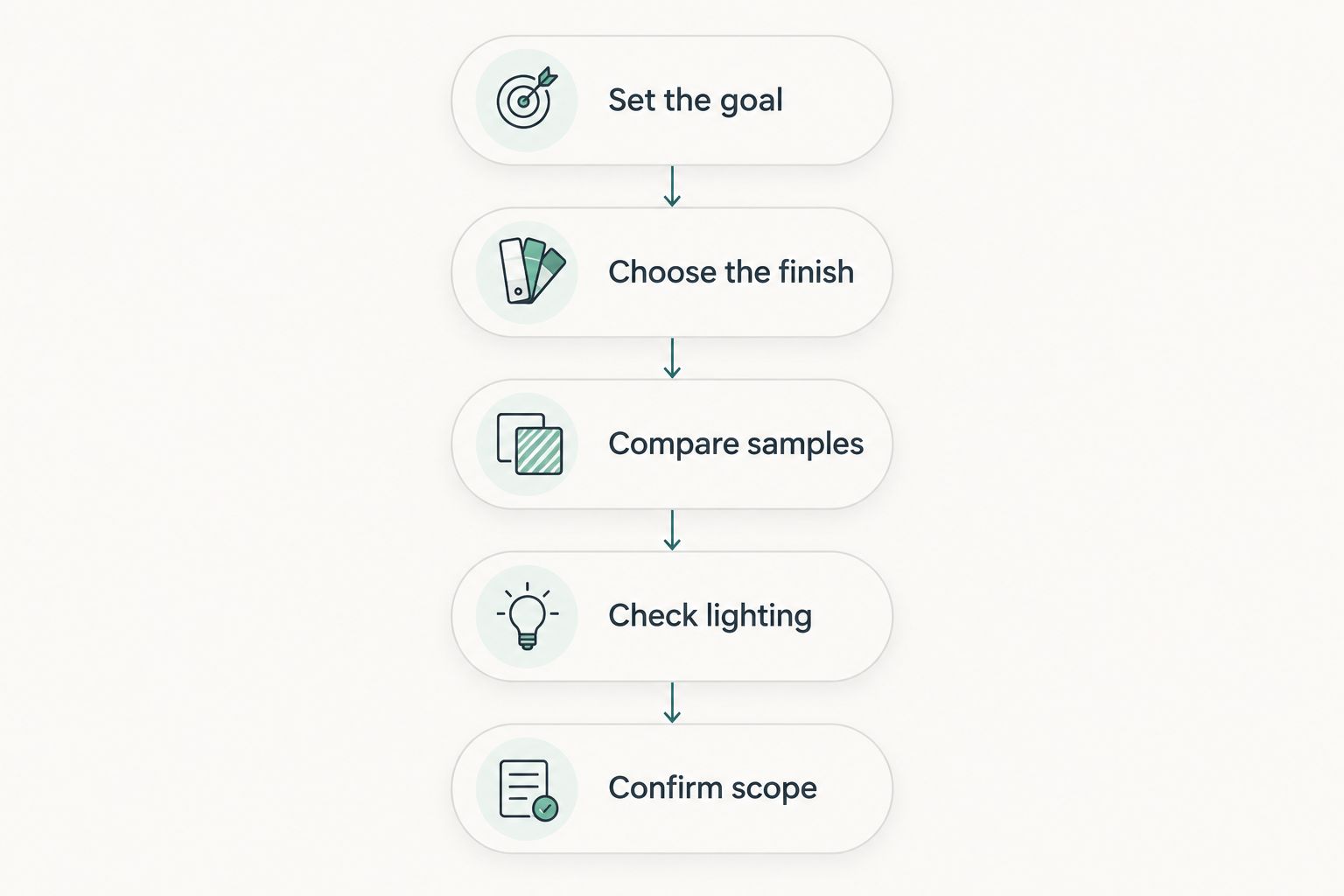
Narrow your shortlist before discussing installation. Use this sequence to make the visual decision concrete:
- Set the goal: Choose restrained, stealth, bright, classic, bold, or changing-effect styling.
- Choose the finish: Decide whether reflections should be glossy or muted.
- Compare samples: Request 3 physical sample panels from the actual films under consideration.
- Check lighting: Inspect each in 2 lighting conditions: direct daylight and shade.
- Confirm scope: Identify exposed paint, edges, and openings before approving the job.
Hold each sample against 1 curved body panel as well as beside the wheels. This keeps the decision tied to your vehicle instead of a flat swatch. For vinyl wrap planning with Supremeautonj, bring reference images that show both the color and finish you want.
A sample review is also the time to ask about the selected film's care requirements. Choose the appearance you will maintain, not just the one that photographs well on installation day.
Plan your vinyl wrap
Explore vinyl wrap services for vehicle owners in North Haledon and North Jersey.
How the colors are ranked
This 2026 ranking follows the criteria above: body-line definition, trim compatibility, lighting behavior, visual restraint, care expectations, and consistency across the car. It is a visual decision guide, not a durability test or a ranking of film manufacturers.
The order puts a broadly useful gloss color first, then assigns each alternative a separate styling purpose. The best color is the one that meets your brief on your car. Position in the list does not override that fit.
Which vinyl wrap color should you choose?
Choose gloss deep blue if you are undecided and want a distinctive daily-driver look. Choose gloss silver for restraint, satin charcoal for muted reflections, or gloss red when attention is part of the plan.
Supremeautonj provides vinyl wrap services for North Jersey vehicle owners seeking a color change. Start the conversation with your preferred finish and a physical-sample shortlist; a color name alone leaves too much of the appearance undecided.
FAQ
What's the best vinyl wrap color for a daily driver?
Gloss deep blue is this guide's best overall pick for a distinctive daily-driver look. It combines noticeable color with a familiar reflective finish; inspect the actual shade in daylight and shade before approving it.
Is satin charcoal better than gloss black for a stealth look?
Satin charcoal is the better fit if your goal is muted reflections rather than a shiny dark surface. Gloss black serves a different visual brief, so choose the finish based on the reflections you want.
What's the best vinyl wrap color for an understated car?
Gloss silver is this guide's pick for a restrained color change. Its neutral appearance keeps the emphasis on body contours rather than a saturated hue.
Should I choose matte or gloss vinyl wrap?
Choose gloss for a reflective, paint-like appearance and matte for a deliberately low-reflection surface. Check the selected film's care instructions before committing, because the finish affects how you should maintain it.
Does a color-change vinyl wrap provide the same protection as PPF?
A color-change vinyl wrap is not interchangeable with paint protection film. If protection is your main goal, compare the intended use and specifications of the actual materials rather than assuming a color wrap performs the same job.
How do I choose between two similar wrap colors?
Compare physical samples of both films against your car in direct daylight and shade. Check them beside the wheels and on a curved panel, where surface effects are easier to judge.
Can I choose a wrap color from a photo?
Use photographs to build a shortlist, not to approve the final color. Lighting, camera processing, and your display change what you see; a physical sample gives you a better basis for the decision.
One last thing
Check the color with a door open before committing. The original paint visible at an opening can become an unintended accent beside the new exterior color. Confirm the coverage scope first, especially when changing between a dark original color and a pale wrap.