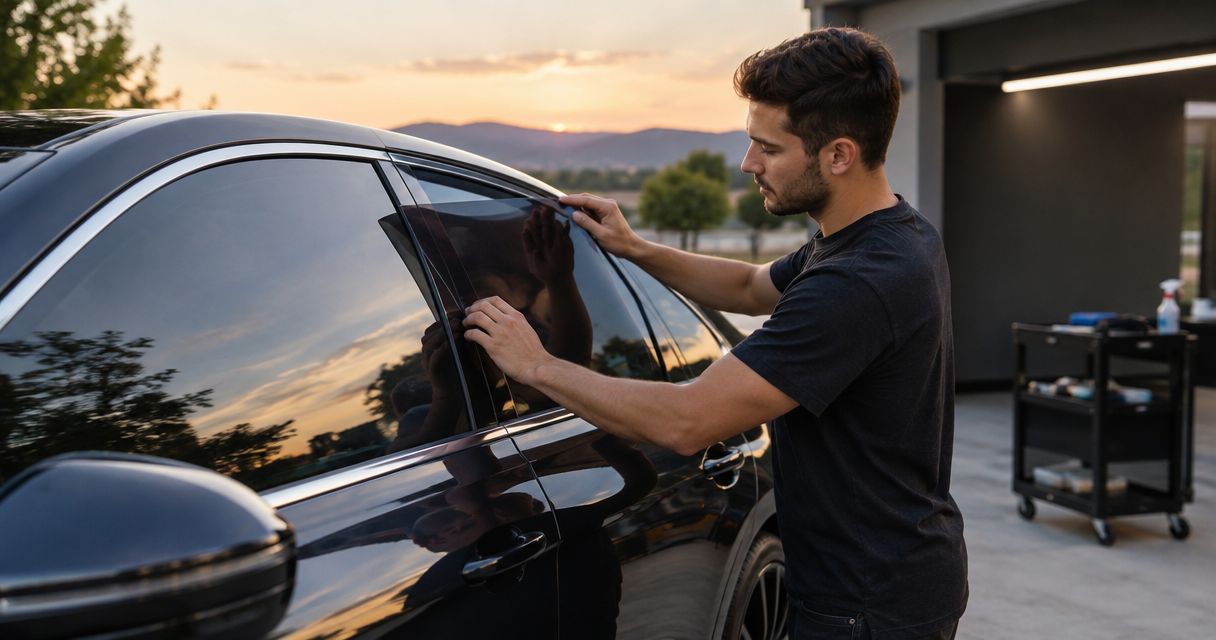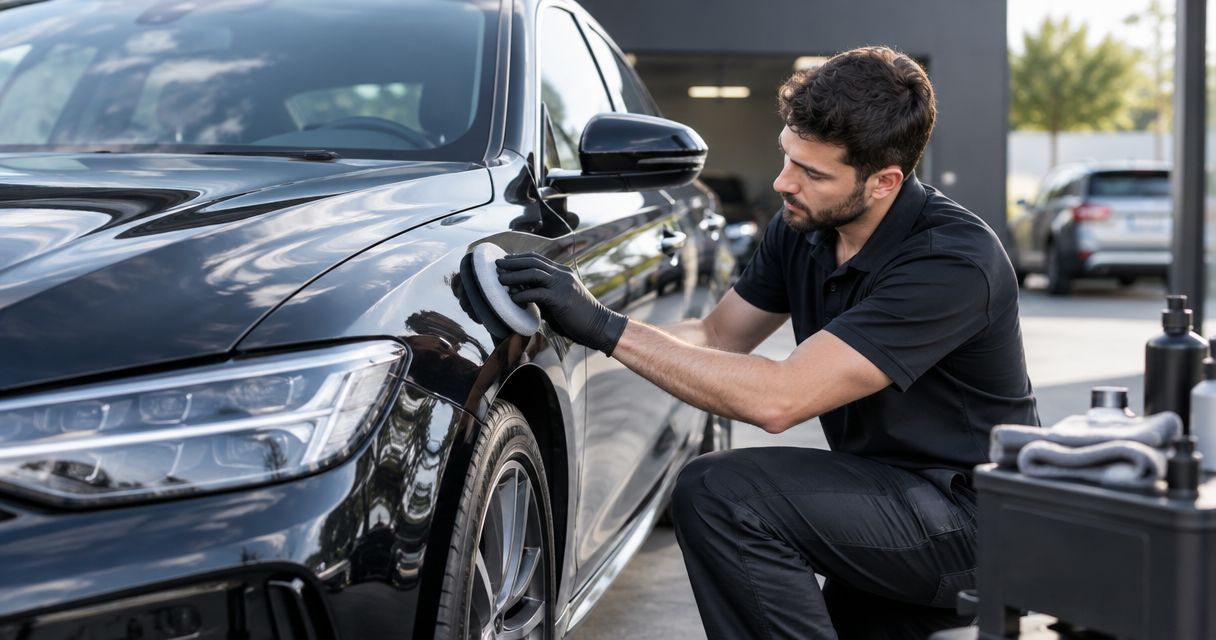
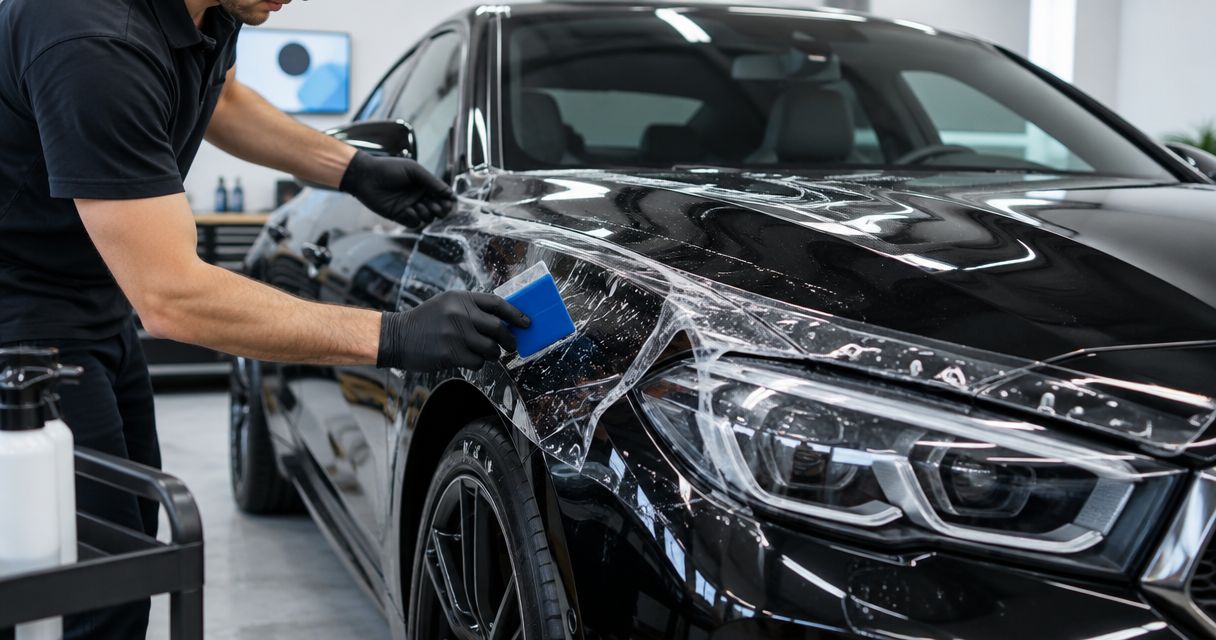
Best overall: clear gloss full-front PPF for a glossy black daily driver. Best for preserving the finish across the vehicle: clear gloss full-body PPF. Best limited-coverage option: partial-front PPF. This 2026 guide compares film finishes and coverage choices, with Supreme Auto Spa NJ as a local option for North Jersey vehicle owners seeking paint protection film services.
- The best ppf for black cars with glossy paint is clear gloss film matched to your coverage needs.
- Full-front PPF targets exposed front panels; full-body PPF extends protection across painted exterior panels.
- Satin PPF changes glossy black paint’s appearance rather than preserving its original finish.
- Supreme Auto Spa NJ offers paint protection film services for North Haledon and North Jersey vehicle owners.
Why this matters
Black paint makes reflections a major part of your car’s appearance. Surface texture, fine scratches and visible film boundaries can interrupt those reflections, so choosing PPF involves more than selecting a recognizable manufacturer.
Paint protection film adds a physical barrier over painted surfaces. Ceramic coating serves a different purpose: it supports surface maintenance but does not replace film as protection against stone impacts. Neither option makes your vehicle damage-proof.
For glossy black paint, choose the finish first, coverage second and installer third—but approve all three together. A suitable film cannot compensate for dirt trapped underneath it or an installation plan that places an obvious seam where you will see it every day.
What makes the best PPF for black cars
Use these criteria before choosing your 2026 installation:
- Finish match: Clear gloss film suits owners who want to retain glossy black paint. Satin film suits owners intentionally changing that appearance.
- Surface clarity: Examine a finished black panel for haze, distracting texture and distorted reflections rather than relying on a loose sample alone.
- Coverage boundaries: Identify where film ends, where seams sit and which edges can be wrapped on your vehicle.
- Paint preparation: Agree on cleaning and any paint correction before installation. Film is not a substitute for repairing existing damage.
- Maintenance requirements: Request the selected film manufacturer’s washing instructions and restrictions in writing.
- Installer accountability: Ask who handles installation defects, what the applicable warranty covers and how follow-up concerns are assessed.
Film chemistry, surface finish and installation quality are separate questions. The paint protection film brands guide adds a manufacturer-focused comparison; this guide ranks coverage and finish configurations instead of declaring an unsupported brand winner.
Black-car PPF options at a glance
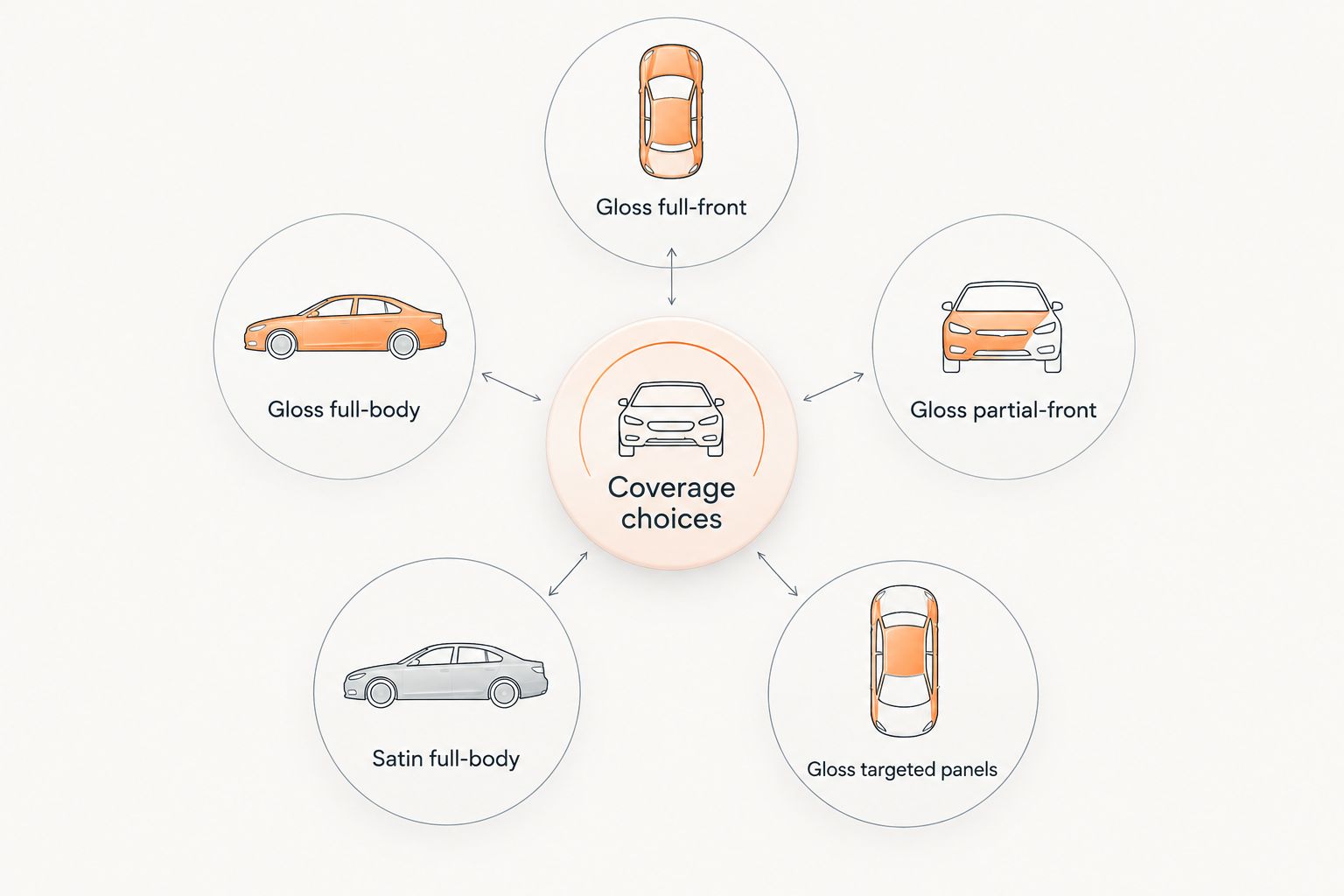
These are installation choices, not interchangeable product names. The table ranks each configuration by its intended use rather than claiming that one film manufacturer wins every comparison.
| Rank | Configuration | Best for | Standout feature | Key limitation |
|---|---|---|---|---|
| 1 | Gloss full-front | Glossy black daily drivers | Covers selected exposed front panels while retaining a gloss appearance | Leaves other painted areas unprotected |
| 2 | Gloss full-body | Owners prioritizing protection across the exterior | Extends film coverage beyond the front end | Requires more installation work and coverage decisions |
| 3 | Gloss partial-front | Owners targeting specific front-end areas | Limits installation to selected portions of front panels | Film boundaries can remain visible across panels |
| 4 | Satin full-body | Owners intentionally changing glossy black paint’s finish | Creates a satin appearance across covered panels | Does not preserve the original gloss look |
| 5 | Gloss targeted panels | Owners addressing door, sill or loading-area contact | Places film around a defined wear pattern | Does not provide broad front-end protection |
A configuration only becomes meaningful when its panel list is written down. Ask what the installer means by full-front or full-body, including treatment of bumpers, mirrors, pillars, painted trim and panel edges. Those labels alone do not establish an identical scope between installers.
1. Gloss full-front: best PPF for black daily drivers
Clear gloss full-front PPF covers the front panels specified in your installation agreement. A full-front plan typically addresses the bumper, hood and front fenders, but you must confirm the exact scope rather than assuming mirrors or other areas are included.
This is the strongest default for an owner who wants to keep glossy black paint and prioritize front-end protection. It concentrates film where forward-facing surfaces encounter road debris, without requiring film across the entire exterior.
Gloss full-front pros:
- Preserves the intended gloss appearance rather than deliberately changing it.
- Targets front-end impact exposure.
- Avoids a partial-hood boundary when the complete hood is covered.
Gloss full-front cons:
- Doors, rear quarters and other excluded panels remain unprotected.
- Texture or gloss differences between covered and uncovered panels still deserve inspection.
Best for: A glossy black daily driver whose owner prioritizes front-end protection.
Ask to see the proposed edges around headlights, grille openings and hood contours. A panel name does not tell you how neatly its complex areas will be finished.
Verdict: Buy gloss full-front PPF when front-end protection is your main objective.
2. Gloss full-body: best PPF for exterior-wide protection
Clear gloss full-body PPF extends film coverage across the painted exterior panels listed in the agreement. It is the appropriate configuration when your concern includes doors and rear bodywork, not just the front end.
Full-body coverage does not mean every visible surface is automatically included. Textured trim, glass, badges, recesses and difficult edges require separate discussion, and the installer should identify exclusions before work begins.
Gloss full-body pros:
- Extends physical protection to painted panels beyond the front end.
- Avoids intentionally mixing satin and glossy painted panels.
- Addresses owners concerned about contact damage around multiple sides of the car.
Gloss full-body cons:
- Requires more preparation and installation work than limited coverage.
- Makes edge placement, seams and exclusions a vehicle-wide decision.
Best for: An owner who wants film protection across the painted exterior.
For a 2026 installation, request a marked panel diagram rather than relying on the package title. Confirm whether removing or working around trim changes the installation approach.
Verdict: Buy gloss full-body PPF when protecting the wider exterior matters more than limiting coverage.
3. Gloss partial-front: best PPF for limited front-end coverage
Clear gloss partial-front PPF protects selected portions of front panels. Depending on the agreed layout, that can mean part of the hood or fenders rather than complete panels.
This choice suits a deliberately narrow protection brief. Its central trade-off is the boundary: film ending midway across a glossy black panel can be visible, particularly when dirt collects along the edge.
Gloss partial-front pros:
- Focuses installation on specifically selected front-end areas.
- Keeps the original glossy appearance on covered surfaces.
- Provides a defined starting point when you do not want complete-panel coverage.
Gloss partial-front cons:
- Leaves part of each partially covered panel exposed.
- Introduces boundaries across surfaces where reflections make them noticeable.
Best for: An owner who accepts visible coverage boundaries to protect a limited front-end area.
Compare the proposed partial layout with complete-panel coverage before approving it. Do not assume a film line will disappear because the material is transparent; transparency and an invisible edge are different things.
Verdict: Hold partial-front PPF until you have seen and accepted its boundary placement.
4. Satin full-body: best PPF for changing glossy black paint’s finish
Satin PPF deliberately changes the appearance of glossy paint beneath it. Choose it because you want a satin black exterior, not because you expect it to retain the original mirror-like finish.
A full-body layout makes sense for this appearance change because uncovered glossy panels can create an intentional—or unwanted—contrast. Inspect a finished example and discuss how edges, recesses and excluded painted surfaces will look.
Satin full-body pros:
- Combines a finish change with film coverage.
- Creates a different visual treatment without repainting the covered panels.
- Supports a consistent satin appearance when the coverage plan addresses visible painted areas.
Satin full-body cons:
- Changes the original gloss look.
- Requires finish-specific maintenance instructions and careful treatment of uncovered areas.
Best for: An owner intentionally converting glossy black paint to a satin appearance.
If your vehicle already has matte or satin paint, do not assume any satin film is a match. Have the installer assess the existing finish and explain the selected film’s compatibility.
Verdict: Buy satin full-body PPF for a deliberate finish change; skip it if preserving gloss is the goal.
5. Gloss targeted panels: best PPF for repeated contact areas
Clear gloss targeted-panel PPF covers specific painted areas associated with your vehicle use. Examples include painted door-entry areas or a painted loading edge, where suitable for the vehicle and installation.
This is a problem-specific configuration rather than a smaller version of full-front protection. Start with the area that receives contact, then establish which painted surfaces the film will cover.
Gloss targeted-panel pros:
- Places protection around a clearly identified contact area.
- Allows a focused coverage agreement.
- Can complement a separate front-end protection plan.
Gloss targeted-panel cons:
- Does not address stone-impact exposure across the front end.
- Small pieces still introduce edges that need cleaning and inspection.
Best for: An owner addressing repeated contact around a specific painted area.
Inspect the underlying surface first. Covering existing scuffs does not repair them, and a tightly fitted film piece does not guarantee protection outside its boundary.
Verdict: Buy targeted-panel PPF for a defined contact problem, not as a substitute for broad coverage.
How we ranked these PPF configurations
The 2026 ranking prioritizes preserving glossy black paint, matching coverage to use and making installation boundaries understandable. Gloss full-front ranks first as the default front-end choice; gloss full-body takes the exterior-wide slot, while partial-front, satin and targeted panels serve narrower objectives.
This is a configuration ranking, not a laboratory test or a manufacturer durability ranking. Supreme Auto Spa NJ provides PPF services; this guide does not assign the business an unverified film brand, installation specification or warranty.
Check the finish before approving installation
Use a short inspection plan to turn broad promises into decisions you can verify:
- Compare 2 finish samples: View gloss and satin on black paint before selecting the appearance.
- Inspect from 3 viewing positions: Look straight at the panel, along its surface and across an edge to assess reflections and boundaries.
- Request 1 written coverage plan: List included panels, exclusions, seam placement and preparation work before authorizing installation.
During your 2026 consultation, ask for a completed black-car example if one is available to inspect. Examine the surface in ordinary lighting as well as direct light; a dramatic promotional photograph is not an installation acceptance standard.
Supreme Auto Spa NJ is a local PPF service option for North Haledon and North Jersey vehicle owners. Discuss your finish goal and coverage priorities before selecting the installation scope.
Plan your black-car paint protection
Discuss your preferred finish, panel coverage and paint preparation with Supreme Auto Spa NJ.
Which PPF should you choose in 2026?
Choose clear gloss full-front PPF unless your goal specifically calls for wider coverage or a different finish. Select gloss full-body for exterior-wide protection, satin full-body for an appearance change and targeted panels for a localized contact problem.
Keep maintenance in the decision. Follow the chosen film manufacturer’s care instructions, remove contamination appropriately and avoid treating exposed film edges as a place to aim concentrated pressure. PPF protects paint; it still needs cleaning and inspection.
FAQ
What’s the best PPF for black cars in 2026?
Clear gloss full-front PPF is the default choice for a glossy black daily driver focused on front-end protection. Choose gloss full-body coverage when you also want protection across the wider painted exterior.
Is gloss or satin PPF better for a black car?
Gloss PPF is the better choice for retaining glossy black paint’s appearance; satin PPF is for deliberately changing it. Inspect a finished example before choosing, especially if your car already has a matte or satin finish.
Will clear PPF be invisible on black paint?
Clear PPF is not guaranteed to be invisible on black paint. Film texture, seams, boundaries and installation defects can affect the appearance, so inspect a finished black panel and the proposed edge layout.
Should I choose full-front or full-body PPF?
Choose full-front PPF for front-end protection and full-body PPF for protection across the painted exterior. Get the included panels and exclusions in writing because package names do not establish the exact scope.
Does ceramic coating replace PPF on a black car?
Ceramic coating does not replace PPF’s physical barrier against stone impacts. Coating and film serve different purposes; discuss compatible maintenance options after choosing your protection coverage.
Can PPF hide scratches already on my black car?
PPF is not a repair for existing scratches or paint damage. Have the paint assessed and agree on any correction or repair before film installation.
Where can I discuss PPF for a black car in North Jersey?
Supreme Auto Spa NJ provides paint protection film services for vehicle owners in North Haledon and North Jersey. Discuss your desired finish, covered panels and preparation requirements before approving a plan.
One last thing
The most revealing detail is often where the film stops. Before accepting the vehicle, inspect panel boundaries, corners and recesses—not just the center of the hood. A black car’s finish is judged as a whole, and an overlooked edge remains part of that view.